


On This Page You Will Find
- What a credit score is and why it matters in Canada
- How credit score ranges affect borrowing power
- Step by step guidance to build credit from scratch
- How rent payments can support credit building
- Best practices for responsible credit use
- How credit checks and applications affect your score
- What to do if you are denied credit
- How credit history affects future mortgage approval
- Ways to protect yourself from credit fraud
- Common mistakes newcomers should avoid
Building a good credit score is an essential part of financial life in Canada – especially for newcomers. Whether you want to rent an apartment, finance a car, or apply for a mortgage, lenders rely on your credit history to judge how reliably you manage debt.
For many immigrants, the challenge is starting from zero. Canada does not automatically recognise foreign credit histories, which means even financially responsible newcomers must build a brand-new profile. The good news is that with steady habits and the right tools, you can create a strong credit record within a relatively short time.
What Is a Credit Score in Canada?
A credit score is a three-digit number between 300 and 900. It represents how likely you are to repay borrowed money. The higher the score, the more confidence lenders have in you.
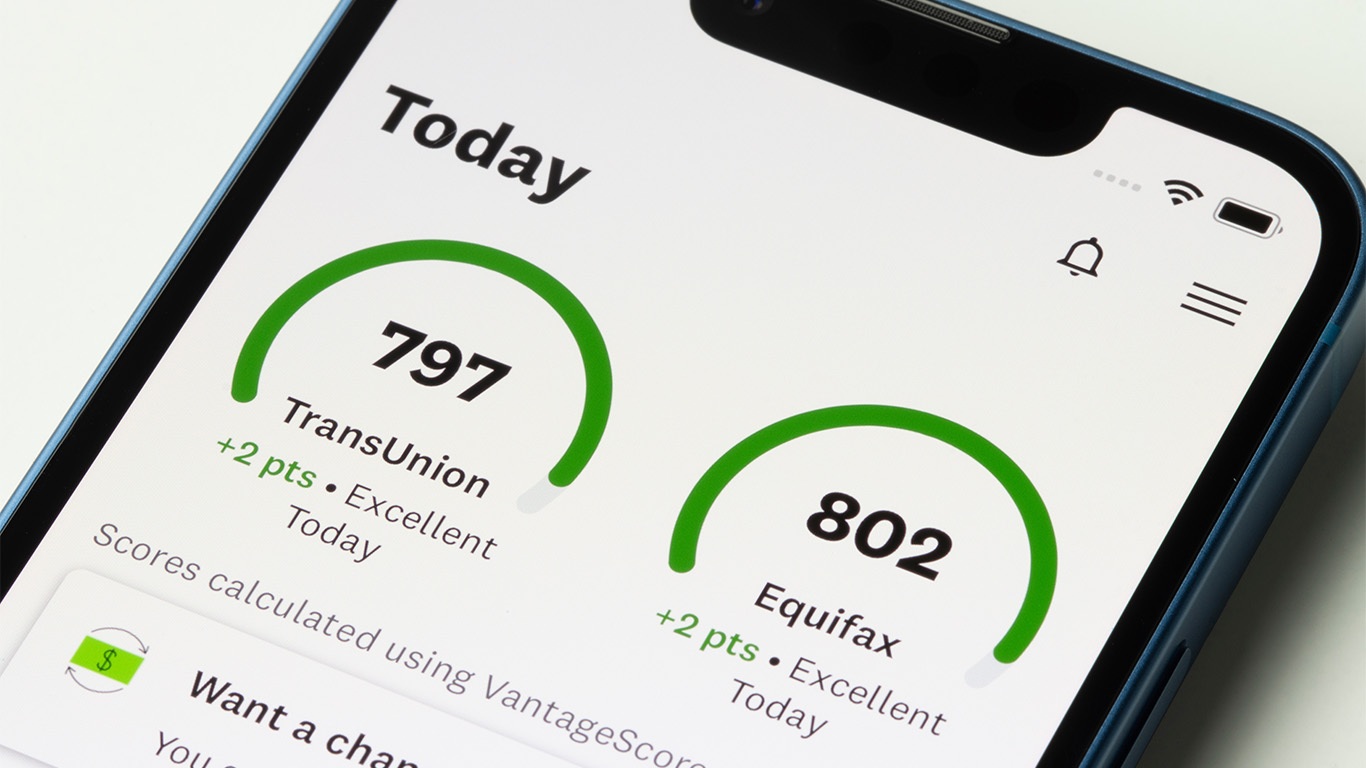
Two major credit bureaus – Equifax and TransUnion – collect and maintain credit information. They calculate scores based on:
- Payment history
- Credit utilisation, meaning how much of your available credit you use
- Length of credit history
- Types of credit accounts
- Recent credit applications
When you first arrive, you have no Canadian credit file. Lenders see this as unknown risk rather than bad credit. Your goal is to build a positive track record as soon as possible.
Understanding Credit Score Ranges
Knowing what lenders consider a good score helps you set realistic goals.
- 300 – 559: Poor
- 560 – 659: Fair
- 660 – 724: Good
- 725 – 759: Very good
- 760 – 900: Excellent
Many lenders begin offering more favourable interest rates once your score passes the mid-600s. Reaching the 700-plus range can improve your chances of mortgage approval and access to premium financial products.
1. Open a Bank Account and Start With a Secured Credit Card
Your first step is opening a Canadian bank account. Many financial institutions offer newcomer packages that include a secured credit card.
A secured card requires a refundable deposit, often between $300 and $1,000. Your deposit becomes your credit limit. This reduces the bank’s risk while giving you the opportunity to build credit.
Use the card for small, regular purchases such as groceries or transport. Pay the full balance on time every month. This builds a strong payment history, which is the single biggest factor in your credit score.
After 6 to 12 months of responsible use, many banks will upgrade you to a regular unsecured credit card.
2. Always Pay Bills On Time
Payment history carries the most weight in your credit score. Even one late payment can lower your score and remain on your report for up to six years.
Make sure you pay:
- Credit card bills
- Loan payments
- Mobile phone bills
- Internet and utility bills
Set up automatic payments or calendar reminders. Consistency is more important than spending large amounts.
3. Use Rent Reporting to Your Advantage
Rent is often a newcomer’s largest expense, but it does not automatically appear on your credit report.
Rent reporting platforms such as Borrowell and FrontLobby allow tenants to have on-time rent payments recorded with credit bureaus.
This can significantly help newcomers with limited credit history. However, late rent payments reported through these services can damage your score, so only enrol if you are confident in consistent payments.
4. Keep Your Credit Utilisation Low
Credit utilisation refers to the percentage of your available credit that you use. Experts recommend keeping this below 30 percent.
For example, if your credit limit is $1,000, try not to carry a balance above $300. High balances suggest financial stress and can reduce your score, even if you pay on time.
A simple strategy is to make multiple payments during the month instead of waiting for the due date.
5. Understand Hard and Soft Credit Checks
Many newcomers do not realise that applying for credit can lower their score.
- Soft checks occur when you check your own score or receive pre-approved offers. These do not affect your score.
- Hard checks occur when you formally apply for credit. Each one can slightly lower your score for up to a year.
Too many hard checks in a short time can signal risk to lenders. Space out applications whenever possible.
6. Add Different Types of Credit Slowly
After building a solid record with your first card, you may qualify for:
- An unsecured credit card
- A small personal loan
- A car loan
Having a mix of credit types can strengthen your profile. However, only borrow what you truly need.
7. The Role of a Co-Signer
If you cannot qualify on your own, a co-signer with strong Canadian credit may help you access loans or rental agreements.
A co-signer shares legal responsibility for the debt. Missed payments will affect both people’s credit scores, so this option requires trust and financial stability.
8. Monitor Your Credit Regularly
You can request free credit reports from Equifax and TransUnion. Many banks and financial apps also provide free credit score tracking.
Monitoring helps you:
- Check your progress
- Correct errors
- Detect identity fraud early
9. What to Do If Your Application Is Denied
Credit denial is common early on.
If this happens:
- Ask why you were declined
- Review your credit report
- Start with a secured product
- Wait a few months before reapplying
Avoid multiple applications close together, as each one can lower your score.
10. How Credit Affects Future Mortgage Approval
If you plan to buy a home, your credit history plays a major role. Mortgage lenders assess your score, repayment record, debt levels, and credit history length.
A strong credit score can mean lower interest rates and better loan terms, saving thousands of dollars over time.
11. Protect Yourself From Credit Fraud
Newcomers may be more vulnerable to scams.
Protect yourself by:
- Keeping your Social Insurance Number private
- Shredding sensitive documents
- Using strong passwords
- Checking your credit report yearly
Contact Equifax or TransUnion immediately if you suspect fraud.
12. When to Increase Your Credit Limit
After a year of responsible use, you may be offered a higher credit limit. If you keep your spending the same, this lowers your utilisation ratio and can improve your score.
Only accept increases if you are confident you will not overspend.
13. Building Credit as a Couple
Each partner should build their own credit history. Being an authorised user on a spouse’s card does not always help you establish your own score in Canada.
Maintaining individual credit profiles provides more flexibility for future joint financial applications.

Can You Prepare to Build Credit Before Arriving in Canada?
You cannot officially build a Canadian credit score until you have arrived, opened a Canadian credit account, and started being reported to Canadian credit bureaus. However, there are smart steps you can take before landing that can help you access credit faster and begin building your score almost immediately after arrival.
Use International “Bridge” Programs
Some financial institutions consider your existing overseas credit history when assessing your application for Canadian credit products.
American Express Global Transfer
If you already hold an American Express card in your home country, you may be able to apply for a Canadian American Express card through their Global Card Relationship program.
- American Express uses your existing account history with them when reviewing your Canadian application.
- Once your Canadian card is approved, activated, and used in Canada, your payment history starts being reported to Canadian credit bureaus.
This does not transfer your foreign credit score, but it can help you qualify for an unsecured card sooner.
Nova Credit Partnerships
Nova Credit works with select Canadian lenders to help newcomers use their foreign credit history during the application process.
- Your overseas credit file is converted into a format Canadian lenders can review.
- This may improve your chances of approval for certain Canadian credit cards before you have a local credit history.
Your Canadian credit profile still begins only once the new Canadian account is opened and reported.
Apply Through Pre-Arrival Newcomer Banking Programs
Several major Canadian banks offer newcomer programs that allow you to begin the account-opening process before you land, including institutions such as Royal Bank of Canada and Scotiabank.
- You can often open a chequing account and start applying for a newcomer credit card from abroad.
- After you arrive, provide your Social Insurance Number and activate your account. Your payment activity from that point forward begins building your Canadian credit history.
These programs do not create a credit score before you arrive, but they can help you avoid delays once you are in Canada.
Cross-Border Banking for U.S. Residents
If you are moving from the United States, cross-border banks such as TD Bank and BMO may review your U.S. credit history when you apply for Canadian credit products.
This can improve your chances of approval soon after arrival. However, your Canadian credit score still starts only when your Canadian account activity is reported.
Bring Financial Documents That Support Your Applications
Even though foreign credit scores do not transfer directly, strong documentation can help lenders feel more confident approving you.
Before you leave, collect:
- Bank reference letters
- Proof of income or employment
- Credit reports from your home country
- Records showing loans or credit paid on time
These can support your case for higher limits or unsecured products earlier in your Canadian journey.
Budget for a Secured Card Deposit Just in Case
Even with bridge programs, many newcomers still begin with a secured credit card. Plan to set aside $300 – $1,000 as part of your settlement funds in case you need to provide a security deposit for your first card.
Arriving prepared means you can start building credit in your first month instead of waiting.
Start Other Credit-Reporting Accounts Quickly After Arrival
While you cannot activate most services until you are physically in Canada, planning ahead helps you move faster.
Post-paid mobile phone plans and some utility accounts may be reported to credit bureaus. Setting these up soon after arrival can add additional positive payment history alongside your credit card.
The Bottom Line
You cannot technically build a Canadian credit score before you arrive. However, by using international bridge programs, starting the banking process early, and preparing the right documents and funds, you can begin building your Canadian credit profile much sooner after landing.
Why Credit Matters for Newcomers
A good credit score can mean:
- Easier apartment approvals
- Lower interest rates on loans
- Better credit card rewards
- Fewer deposits for services
Good credit reduces financial barriers and saves money over time.
FAQ
How long does it take to build a good credit score in Canada?
Most newcomers can see meaningful progress within 6 to 12 months by using a secured credit card responsibly and paying all bills on time. A stronger score usually develops after one to two years of steady, low-risk credit behaviour and consistent repayment history.
Does paying rent help build credit in Canada?
Rent can help build credit if you use a rent reporting service that shares payment data with credit bureaus. Without such a service, rent payments typically do not appear on your credit file and will not influence your score.
Should I apply for multiple credit cards right away?
No. Start with one secured card and build a solid payment record first. Applying for several cards at once creates multiple credit checks, which can lower your score and signal higher risk to lenders.
What happens if I miss one credit payment?
A missed payment can reduce your credit score and remain on your report for years. If you realise you will be late, contact the lender immediately. Paying at least the minimum as soon as possible can limit the damage.
Can I build credit in Canada without a credit card?
Yes, but it may be slower. Some loans, rent reporting services, and certain utility or phone accounts can help if they report to credit bureaus. However, a credit card remains the most common and effective credit-building tool.